
By Princeley Njukang, Cameroon
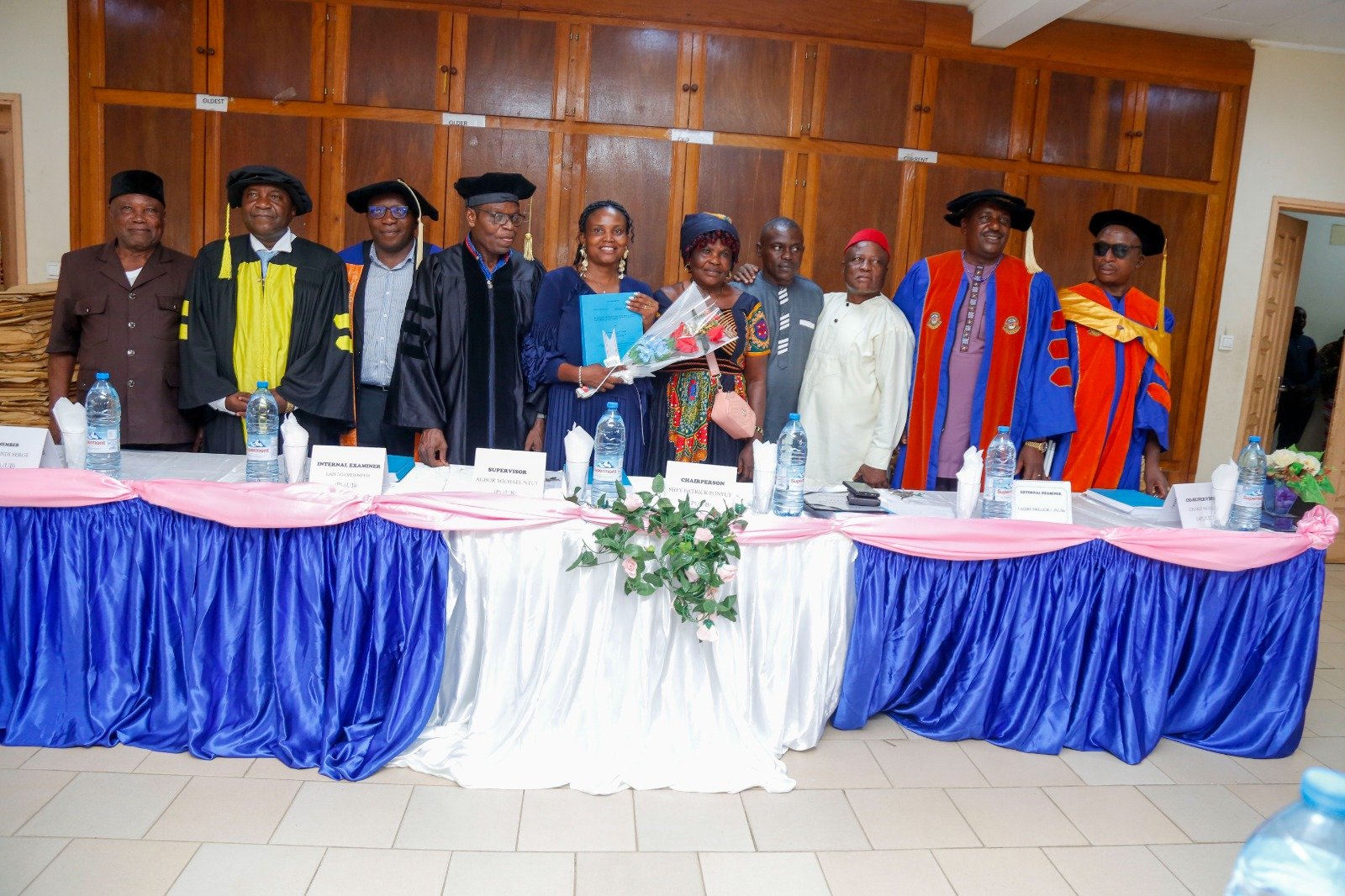
Bullying among adolescent students in the South West Region of Cameroon is on the rise, a Ph.D. study at the University of Buea has found. The PhD, defended recently in the Faculty of Education, sought to examine the varying effects of growing into adolescence on the socio-emotional development of students.
According to Dr. Fonchenallah Makongho Lyselord, the PhD defender, findings show a worrying trend: adolescence crises are significantly linked to weak socio-emotional development. “Students who reported experiencing bullying were more likely to exhibit signs of low self-esteem,” she said.
The study involved 569 students and 97 teachers from 31 secondary schools across Fako, Meme, and Kupe-Muanenguba Divisions. Teachers interviewed during the study said bullying causes fear, stress, low self-esteem, poor concentration, trauma, and emotional instability among students. Some victims reportedly become withdrawn from school activities and perform poorly academically. The study reported no significant difference in how adolescent crises, the social, emotional, psychological, and behavioral struggles that many young people experience during adolescence, vary in urban and rural settings, suggesting that the same struggles accompany them everywhere, although the manifestations might differ.
Dr. Fonchenallah said the findings showed that students are receiving little support as they transition to adulthood, both from parents and school personnel, meaning they are forced to seek support from “the wrong places,” which compounds the crises. “It is a period where parents need to be more present, to hold difficult conversations, to let the child know that it is okay to tell them anything,” she said. “Parents need to learn how to befriend their adolescent children, to understand that the changes they are experiencing are normal, and really stand with them.”
The South West Region is one of the two regions torn by the decade-long Anglophone Conflict, involving fighting between state forces and militias seeking a breakaway state. Since the start of the conflict, rights groups have reported on the challenges faced by adolescents and other children, many of whom are caught in between. Some have been locked out of school, some have lost their parents, while others have been forced to hawk on the streets or exchange their bodies for money. The patchy attention given to adolescents has not allowed for a proper understanding of the impact the crisis has on them, a 2021 ReliefWeb article said.
In such a context, Dr. Fonchenallah said particular attention must be paid to the socio-emotional needs of adolescents, or they would carry the weight of their unguided teenage experiences into adulthood. “Already, we find that some of them are engaging in substance abuse and other deviant behaviors as a coping strategy,” she said.
The defense chairperson, Prof. Shey Patrick, said the researchers’ interventions are timely. He explained that the current context, where many adolescents have been displaced and some are forced to “indulge in criminal activities” for survival, proves the urgency for parents and teachers to strengthen their skills in adolescent management. “Adolescence is a stage which, if well managed, can help children grow up to become responsible citizens,” he added.
Co-Supervised by a Visually Impaired Lecturer
Speaking to DNA after the defense, Prof. Charley R. Nugap, associate professor of Special Needs and Inclusive Education and one of the supervisors, described the study as relevant and pertinent. He said he was positive the findings would shift the way parents and teachers handle adolescents. It was the second PhD thesis to be co-supervised by the professor, who is visually impaired.
Described by the growing body of scholars with disabilities in Cameroon as a role model, Prof. Nugap said he has weathered many storms to be where he is. He told DNA that working with Dr. Fonchenallah to produce this “outstanding” thesis is one more proof that persons with disabilities, if empowered and meaningfully accommodated, can thrive and serve as “excellent” academic mentors. The professor praised the collaboration between him and his fellow supervisor, Prof. Agbor Michael Ntui, saying “such a frank collaboration is what gives birth to works of long-lasting relevance.”
The academician said the findings of the study are especially relevant for parents of children with disabilities, given that the socio-emotional development of these children is made even more complex by disability-related factors such as stigma, social exclusion, and increased vulnerability to bullying and isolation. “They need to constantly reassure the children that they are normal, that their experiences are understood,” he said.
 Nyaradzo Chitungo
  Princely Kesah